Families today face a complex landscape when it comes to nurturing and supporting their children’s growth and development. Between balancing work commitments, finding the right educational opportunities, and carving out time for meaningful family connections, parents and caregivers often look for resources that can support every facet of a child’s life. Raising children involves more than just meeting their basic needs—it requires cultivating an environment where they can thrive emotionally, socially, and intellectually. This means finding quality educational programs, encouraging physical activity, exploring enriching experiences, and fostering bonds that last a lifetime.
Communities play a vital role in providing these opportunities. Local schools, recreational programs, outdoor learning experiences, and family-friendly venues contribute significantly to the well-being of children and their families. When families have access to a diverse range of programs and environments tailored to different stages of childhood, it becomes easier to support children’s evolving needs. Early childhood, for example, is a critical period for brain development, social learning, and motor skills, making it essential to engage children in activities that stimulate their growth. As children grow, choosing the right educational setting becomes a top priority, one that encourages academic success and personal development.
Physical fitness and self-confidence also play indispensable roles in shaping a child’s character and overall health. Martial arts and fitness programs offer structured ways to build discipline and empower young individuals to overcome challenges. Beyond structured programs, the natural world serves as an incredible classroom that teaches children about the environment, teamwork, and resilience through hands-on exploration.
Family time remains the cornerstone of a healthy upbringing. Sharing meals at local restaurants or enjoying vacations together can strengthen family bonds and create memories that support emotional health. Whether through learning, physical activity, outdoor experiences, or family outings, every moment counts in building a foundation for a happy, well-rounded life.
Engaging Early Learning Experiences for Young Children
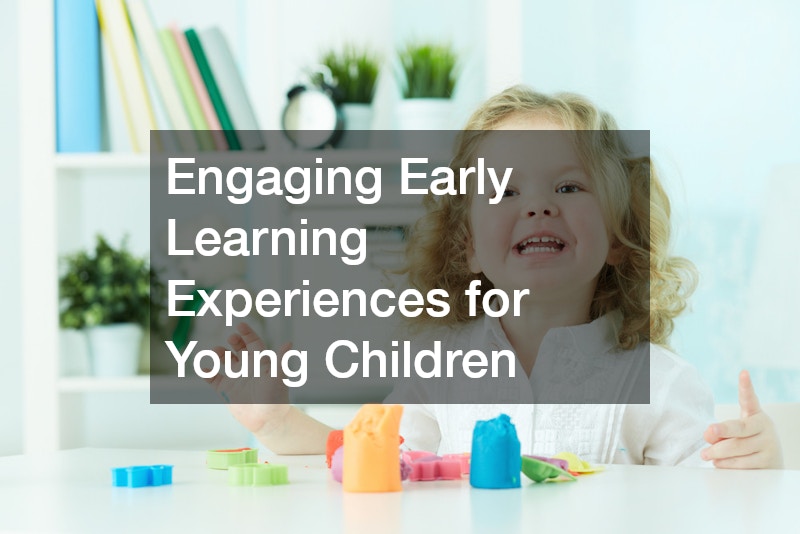
The early years of a child’s life lay the groundwork for all future learning and development. Providing young children with engaging, age-appropriate activities helps stimulate their cognitive, emotional, and physical growth. Activities designed specifically for toddlers create opportunities for them to explore their surroundings, develop motor skills, and learn social interaction through play. These activities often include sensory play, storytelling, music, and simple group games that encourage sharing and cooperation.
Toddler programs are tailored to meet the developmental needs of young children during this formative stage. Such programs typically combine structured learning with free play, allowing toddlers to develop language, fine motor skills, and emotional awareness in a supportive setting. Whether hosted in community centers, daycare facilities, or specialized early learning centers, toddler programs provide a safe space for children to build foundational skills and gain confidence in a social environment.
Parents and caregivers benefit from these programs as well, gaining insights into child development and strategies to support learning at home. The socialization aspect is particularly important, as toddlers learn to interact with peers, develop empathy, and navigate the basics of cooperation and problem-solving. Engaging toddlers in these early learning experiences prepares them for a smoother transition into formal schooling while fostering a love for learning.
Incorporating regular activities for toddlers into daily routines can also provide much-needed structure, helping children adjust to expectations and develop routines that foster independence. The combination of active play, creative expression, and social interaction makes early learning programs an invaluable resource for families committed to nurturing their children’s growth from the very start.
Choosing the Right School Environment for Your Child
Selecting the appropriate school environment is one of the most significant decisions parents make in their child’s life. A local private school can offer tailored educational experiences that may better align with a family’s values, expectations, and a child’s individual learning style. Private schools often provide smaller class sizes, specialized programs, and enhanced resources that support academic achievement and personal development.
Parents consider a range of factors when choosing a local private school, including the curriculum offered, extracurricular opportunities, school culture, and the qualifications of teaching staff. Many private schools emphasize a holistic approach to education, integrating academics with character development, leadership skills, and community service. This balanced approach helps prepare children not only for higher education but also for life beyond the classroom.
Local private schools may also offer unique programs such as arts, music, language immersion, and STEM initiatives that might not be as readily available in public schools. The ability to select a school close to home provides convenience and helps foster community connections, allowing children to build friendships with peers who live nearby.
Furthermore, private schools often have the flexibility to accommodate diverse learning needs through individualized instruction and support services. This can be especially beneficial for children who require extra attention or thrive in a particular learning environment. Ultimately, choosing the right school involves understanding your child’s personality, learning preferences, and social needs to find the best fit.
For many families, a local private school represents an investment in their child’s future, offering a nurturing environment that promotes both academic success and personal growth. Exploring options thoroughly and visiting schools can help parents make informed decisions that align with their family’s goals.
Building Confidence and Discipline Through Martial Arts
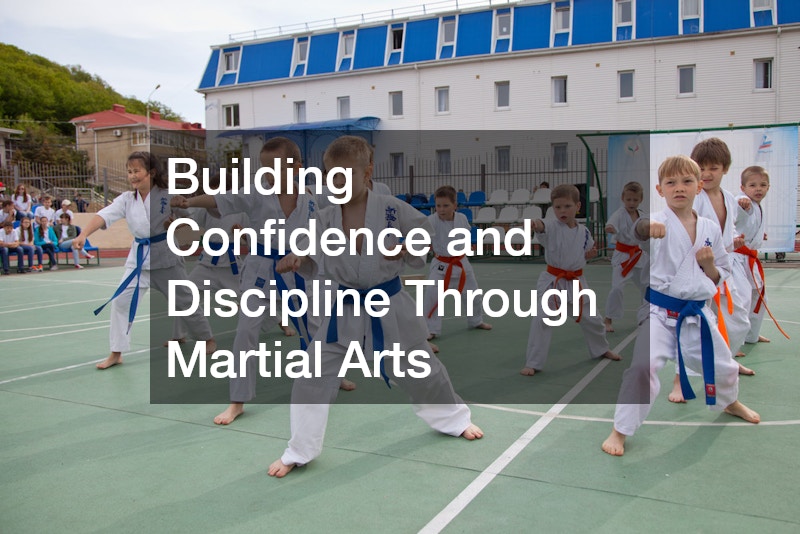
Martial arts have long been recognized as an effective way to develop both physical fitness and important life skills. A karate school provides children with a structured environment where they can learn self-discipline, respect, and confidence while improving their coordination and strength. Through consistent practice, students develop focus and perseverance, traits that transfer beyond the dojo into academic and personal settings.
Karate emphasizes respect for oneself and others, teaching children to control their emotions and reactions. This can be especially beneficial for young learners who are navigating social dynamics and learning to manage challenges. The progression through belt ranks offers tangible goals, fostering motivation and a sense of accomplishment.
Beyond the physical benefits, karate also cultivates mental resilience. Students learn how to set and achieve goals, handle setbacks, and develop patience. The community atmosphere of a karate school creates a supportive network where children can build friendships and feel a sense of belonging.
Many parents find that enrolling their children in a karate school helps them channel energy positively, reducing behavioral issues and increasing focus. The discipline and structure provide a framework that encourages responsibility and self-control. As a result, martial arts training can enhance a child’s overall development and promote lifelong healthy habits.
Karate schools often offer classes for all ages and skill levels, making them accessible to a wide range of children. Whether a child is looking for a competitive sport or a way to build confidence, karate provides a meaningful and enjoyable avenue for growth.
High-Impact Fitness and Self-Empowerment Programs
Kickboxing offers an exciting and vigorous fitness program that combines cardiovascular exercise with strength training and coordination. As a high-impact sport, kickboxing helps children build endurance, flexibility, and power while developing confidence and self-discipline.
Participating in kickboxing classes enables young people to learn how to defend themselves in a controlled, safe environment. The structured nature of the sport teaches respect for rules and the importance of safety, which can translate to responsible behavior outside the gym.
Kickboxing also provides an outlet for stress and energy release, which is vital for children’s mental health. The combination of aerobic and anaerobic activity promotes overall well-being and encourages a positive attitude toward physical fitness.
Beyond the physical advantages, kickboxing helps children develop focus and mental toughness. Learning complex combinations and techniques requires concentration and memory, stimulating cognitive skills. The challenge of mastering new moves also builds perseverance and a growth mindset.
Moreover, kickboxing classes often foster a sense of community and support among participants. The camaraderie developed in group training sessions can enhance social skills and self-esteem, particularly for children who may struggle with confidence.
Parents appreciate kickboxing as a comprehensive fitness option that nurtures body and mind. It empowers children to take control of their health and wellbeing while building essential life skills that contribute to personal success.
Exploring Nature as a Classroom for Growth and Learning
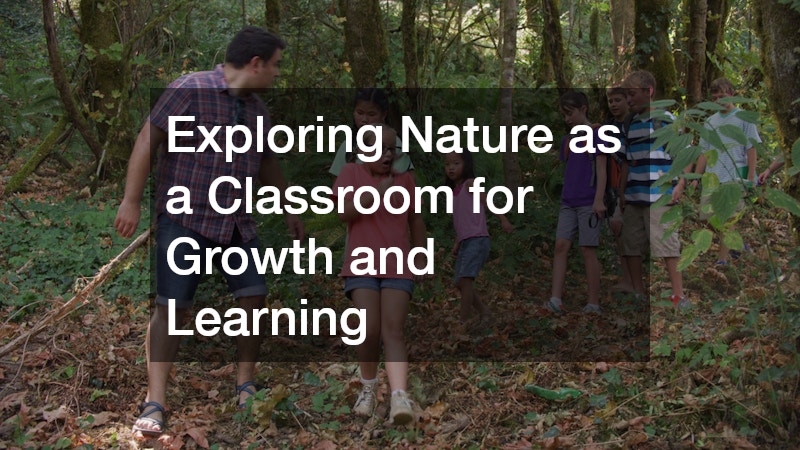
An outdoor education school provides a unique learning environment where students engage directly with nature as part of their curriculum. This experiential approach fosters environmental awareness, teamwork, and problem-solving skills through hands-on activities.
Outdoor education programs often include hiking, camping, environmental science projects, and team-building exercises. These activities encourage students to step outside traditional classrooms and develop a deeper connection to the natural world.
Learning in an outdoor setting supports physical health by promoting active movement and fresh air exposure. It also enhances mental health by reducing stress and improving mood through time spent in nature.
Students in outdoor education school settings cultivate leadership skills by working collaboratively on challenges and projects. The unpredictability of the natural environment teaches adaptability and resilience—qualities essential for success in school and life.
This approach also emphasizes stewardship of the environment, encouraging students to become responsible citizens who care about sustainability and conservation.
Outdoor education schools provide enriching experiences that complement academic learning while promoting holistic development. For families seeking an alternative or supplemental educational option, these programs offer a valuable pathway to nurture curiosity, health, and social skills.
Enjoying Quality Family Time Over Delicious Meals
Spending time together as a family around the dinner table is more than just sharing food—it’s about building relationships, communication, and traditions. A local restaurant can offer the perfect setting for families to enjoy meals without the stress of cooking and cleaning, allowing them to focus on each other.
Many local restaurants strive to create welcoming environments where families feel comfortable and kids are accommodated. These venues often provide menus with child-friendly options and activities to keep little ones entertained.
Choosing a family friendly restaurant is key to ensuring that mealtime is a positive experience for everyone. Such restaurants understand the needs of families, offering spacious seating, accommodating dietary restrictions, and sometimes providing entertainment or play areas.
Exploring different places to eat in your community can be a fun way to introduce children to new cuisines and cultures, broadening their palate and appreciation for food diversity.
Beyond just meals, family outings to restaurants can become cherished traditions and opportunities for conversation, laughter, and connection. In a busy world, these moments of togetherness contribute significantly to emotional well-being and family cohesion.
Supporting local restaurants also benefits the community economy, creating a win-win for families and businesses alike.
Creating Lasting Memories With Relaxing Getaways

Vacations offer families a chance to step away from everyday routines and experience new environments together. A new smyrna beach vacation rental provides an ideal destination for relaxation, adventure, and quality bonding time.
Beach vacations invite families to enjoy sun, sand, and water-based activities that appeal to all ages. Whether building sandcastles, swimming, or simply soaking up the atmosphere, these experiences create joyful memories that last a lifetime.
Vacation rentals offer the comfort of a home-away-from-home, often providing more space and amenities than hotels. This flexibility allows families to cook meals, gather in common areas, and enjoy private time in a way that suits their unique needs.
Spending time together on vacation strengthens relationships by fostering shared experiences and new traditions. Away from distractions, families can reconnect, communicate openly, and create stories they will reminisce about for years.
New Smyrna Beach’s charming local culture, natural beauty, and family-friendly attractions make it a perfect getaway spot. Families can explore local shops, dine at family-friendly restaurants, and participate in community events, enhancing the overall vacation experience.
Planning regular getaways encourages balance and refreshment for parents and children alike, promoting mental health and resilience. The memories made during these trips become part of the fabric of family life, reinforcing love and support across generations.
Supporting families through education, activities, and community connections requires a holistic approach that addresses children’s academic, physical, emotional, and social needs. From the earliest years, engaging children in age-appropriate activities for toddlers and toddler programs establishes a solid foundation for growth, curiosity, and confidence. As children advance, choosing the right educational environment, such as a local private school, ensures that their individual learning styles and needs are met, setting them up for long-term success.
Incorporating physical activity through programs like karate school and kickboxing further enhances development by building discipline, self-esteem, and resilience. These fitness and martial arts activities teach children valuable life skills that extend well beyond physical health, promoting mental toughness and emotional regulation.
When families have access to diverse resources spanning education, physical activity, community dining, and leisure, they are better equipped to foster healthy, happy, and resilient children. This comprehensive approach aligns perfectly with the mission of supporting family well-being and building strong, connected communities. Investing time and attention in these areas benefits not only individual families but also the broader social fabric, cultivating hope and opportunity for generations to come.