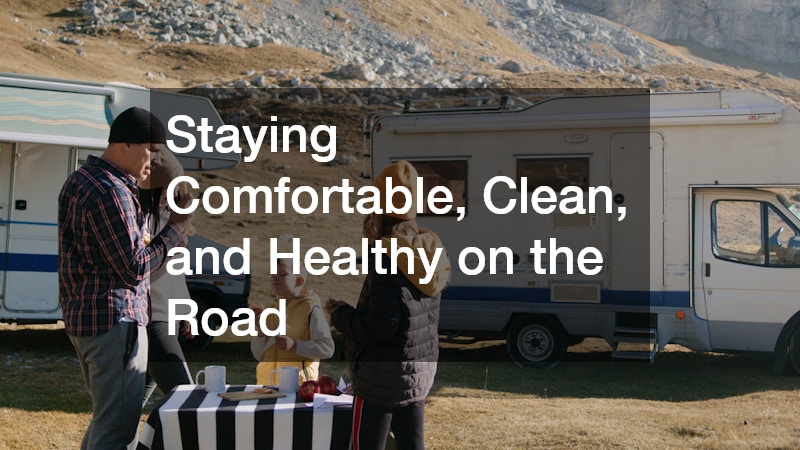
Where the Road Becomes Home
Extended outdoor travel isn’t just a vacation. For many families, it becomes a temporary lifestyle—trading familiar walls for open skies, routines for flexibility, and packed schedules for shared experiences. The difference between a magical adventure and a stressful ordeal almost always comes down to preparation.
Families who thrive on long trips don’t simply pack bags and head out. They think carefully about how they’ll sleep, eat, power devices, keep kids comfortable, and maintain a sense of normalcy for weeks at a time. The goal isn’t to perfectly recreate home, but to create a version of comfort, safety, and structure that works anywhere.
Choosing the Right Vehicle Setup for Long-Term Comfort
The vehicle you choose becomes your living room, kitchen, bedroom, and storage unit all at once. That’s why many families begin with a van rental before committing to anything long-term. Testing different layouts for sleeping, storage, and daily movement quickly reveals what works and what becomes frustrating after just a few days.
Before leaving, experienced travelers address any potential rv repair issues, even if everything seems fine. Small mechanical problems can become major disruptions once you’re far from help. A full inspection of brakes, tires, plumbing, electrical systems, and storage access gives families peace of mind before departure.
Kid-friendly layouts matter far more than aesthetics. Easy bathroom access at night, reachable snacks, safe sleeping spaces, and enough room to move around comfortably make a noticeable difference in everyone’s mood. A thoughtful setup prevents the cramped, cluttered feeling that can wear on families during long stretches of travel.
Planning Where You’ll Stay for Weeks at a Time
Even families committed to outdoor living need occasional indoor resets. After several days of campsites, limited showers, and constant exposure to the elements, an indoor break feels restorative.
Many families plan these resets in advance using airbnb long term rentals along their route. These stays act as temporary home bases where everyone can shower properly, sleep in real beds, cook full meals, and recharge emotionally. Access to laundry, reliable Wi-Fi, and a full kitchen often becomes more valuable than location itself.
Booking these stays ahead of time is especially important during busy travel seasons. They give children a sense of stability and give parents a chance to reset the rhythm of the trip before heading back outdoors.
Managing Power, Devices, and Daily Necessities Off Grid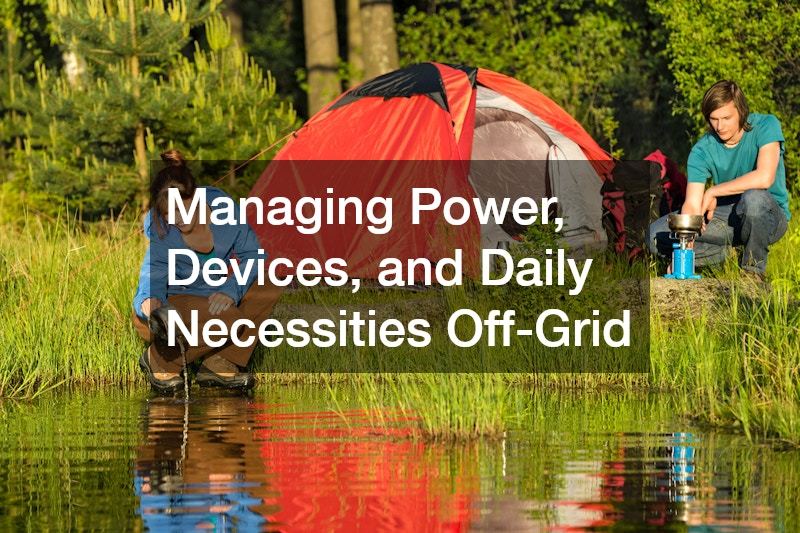
Power is something families rarely think about until they don’t have it. Phones, cooking tools, lights, fans, cameras, and navigation devices all rely on electricity. A dependable generator becomes one of the most valuable tools for extended outdoor travel.
Families are often surprised at how quickly power needs add up. Charging schedules, safe placement away from sleeping areas, and proper fuel storage all become part of daily life. Many parents also teach kids to conserve power by turning off lights, limiting screen time, and charging devices at specific times of day.
Backup options like battery packs and solar chargers add an extra layer of security, especially in remote areas. When power is planned correctly, daily life off-grid feels manageable instead of stressful.
Keeping Bugs and Outdoor Pests From Ruining the Experience
Insects can quickly turn a peaceful evening into a miserable one, which is why mosquito control is part of the packing checklist for experienced families. Prevention starts before the tent is even set up. Campsite selection plays a major role in reducing exposure, and families avoid areas near standing water, dense brush, or damp shaded spots.
Simple habits make a big difference. Wearing long sleeves at dusk, keeping food sealed, and using kid-safe repellents consistently prevents most issues before they start. Many families also plan dinner earlier in the evening so they can retreat into protected spaces before insects become more active.
By treating pest prevention as a routine rather than a reaction, families avoid the discomfort that can sour the mood of a trip.
Handling Meals Without Turning the Trip Into Kitchen Duty
Cooking outdoors sounds charming in theory, but doing it for every meal becomes exhausting. To avoid burnout, many families mix simple camp meals with occasional catering from local food options along their route.
Outsourcing meals after long travel days or during bad weather gives parents a break and allows everyone to enjoy regional food without the cleanup. For the meals they do prepare themselves, families keep menus simple and focus on foods that require minimal prep and minimal dishes.
Food storage becomes especially important in changing temperatures. Separate coolers for drinks and food, airtight containers, and immediate cleanup after meals help keep things safe and organized. Reducing kitchen duty leaves more time for exploring and relaxing together.
Holding Onto Meaningful Routines While You’re Away
Long trips can blur days together, especially for children who rely on structure. Families who travel well recreate small, familiar rhythms from home so everyone feels grounded, no matter where they are.
For many, this includes continuing a sunday morning service while traveling. Whether that means streaming online, visiting local congregations, or simply setting aside quiet reflection time together, the goal is consistency. Maintaining this weekly rhythm provides emotional stability for kids and creates a predictable anchor in a constantly changing environment.
Families often build other small rituals into their week, too. A designated pancake breakfast day, evening storytelling, or a shared walk before sunset can give children something recognizable to look forward to. These repeated moments help travel feel less chaotic and more like a new version of normal life.
Documenting the Journey Without Adding Pressure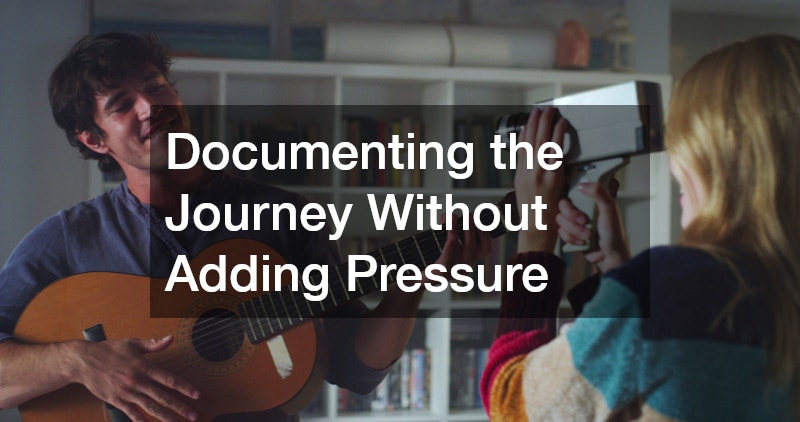
Parents often feel the need to perfect ly document every moment, but experienced traveling families take a much simpler approach. They treat documentation like at-home video production—casual, flexible, and focused on memories rather than perfection.
Short daily video clips, candid photos, and occasional voice memos often capture the feeling of the trip better than long recordings. Many families let kids take turns being in charge of photos or videos, which keeps them engaged and gives parents a break from always reaching for a camera.
Organizing media as you go prevents digital clutter later. Creating folders by location or date and backing up files weekly ensures that memories are preserved without becoming overwhelming.
Preparing Your Home So You Can Travel Worry-Free
Peace of mind starts before you leave. Returning to a clean, fresh home after weeks away makes the transition back much easier and removes one more worry from your mind while traveling.
Some families schedule commercial cleaning services before departure for a thorough deep clean. Knowing the house is spotless, free of odors, and ready to welcome you back allows you to fully focus on the trip.
Before leaving, families typically take care of a few practical tasks:
-
Emptying trash and removing perishables
-
Sealing pantry items and unplugging electronics
-
Holding mail and setting light timers
-
Letting a neighbor know you’ll be away
These small steps prevent unpleasant surprises and provide reassurance while you’re on the road.
Making Smart Financial Decisions Before You Leave
Extended travel often prompts families to rethink what they actually need at home. If a vehicle will sit unused for months, some families explore listing cars for sale to reduce ongoing expenses like insurance and maintenance.
Even when selling isn’t the right choice, reviewing household expenses before departure helps keep the trip financially manageable. Families build a realistic budget that accounts for fuel, food, lodging breaks, and unexpected repairs.
Setting aside an emergency fund specifically for the trip reduces stress when plans change or surprise costs come up. Cutting unnecessary subscriptions or services before leaving can also free up funds to put toward the experience instead.
Creating a Flexible Plan That Works for Everyone
One of the biggest mistakes families make is overplanning. A tight schedule may look efficient on paper, but it quickly becomes exhausting in practice.
Successful trips are built around a loose framework rather than a rigid itinerary. Families map general routes and destinations but leave room for rest days, weather changes, and spontaneous discoveries. Driving shorter distances than necessary, scheduling occasional “no-plan” days, and checking in regularly about how everyone feels keeps the experience enjoyable instead of overwhelming.
Children especially benefit when plans feel adaptable. Flexibility allows the trip to match the family’s energy instead of forcing everyone to keep up with a schedule.