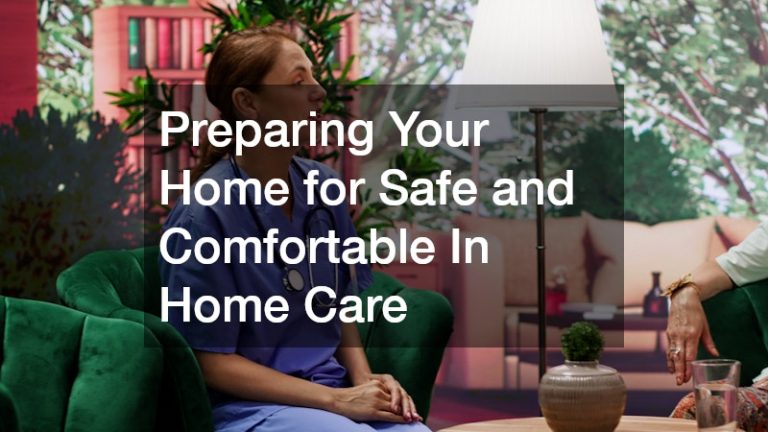
As our loved ones age or recover from illness or surgery, maintaining their independence and quality of life becomes a top priority. One effective solution is in home care, which allows individuals to receive professional assistance while remaining in the comfort of their own homes. However, to maximize safety and comfort, it’s essential to prepare your home thoughtfully.
Creating a well-organized, hazard-free environment not only helps caregivers provide effective support but also promotes confidence and peace of mind for those receiving care.
Assessing Your Home Environment
The first step in preparing your home for in home care is a thorough assessment of the living space. Start by identifying potential hazards such as loose rugs, cluttered pathways, or inadequate lighting. These seemingly minor issues can significantly increase the risk of falls, which are among the most common accidents for older adults.
Next, evaluate accessibility. Consider whether stairs, narrow hallways, or high shelves may pose challenges for someone with limited mobility. Installing handrails on staircases, adding non-slip mats in bathrooms, and ensuring frequently used items are within easy reach can make a substantial difference. Caregivers rely on these modifications to move safely and efficiently throughout the home, providing assistance without unnecessary strain.
Additionally, examine the functionality of essential rooms like the kitchen and bathroom. A clutter-free, organized kitchen allows caregivers to assist with meal preparation safely, while well-arranged bathrooms equipped with grab bars and shower seats can prevent accidents. These adjustments not only support the individual’s safety but also enable a more comfortable and dignified care experience.
Finally, consider the overall comfort and convenience of the home environment. Adequate seating with supportive chairs, easy-to-use lighting controls, and a well-regulated indoor temperature can greatly enhance daily living for both the individual and their caregiver. Small touches such as clearly labeled storage, accessible charging stations for medical devices, and easy-to-reach call buttons or phones can further streamline routines and reduce stress. By thoughtfully combining safety, accessibility, and comfort, you create a home that promotes independence while supporting the needs of in-home care.
Creating Comfort and Accessibility
Comfort is just as important as safety when planning for in home care. This involves designing spaces that are easy to navigate and cozy for daily living. Start by arranging furniture to provide clear walking paths and ample space for mobility aids like walkers or wheelchairs. Comfortable seating with firm support is critical, particularly for those with joint issues or back pain.
Lighting is another key factor. Ensure that all areas, especially hallways, staircases, and bathrooms, are well-lit. Consider motion-sensor lights for nighttime trips to reduce the risk of falls. Temperature control is also essential, as older adults are often more sensitive to heat and cold. Fans, heaters, or programmable thermostats can maintain a comfortable environment year-round.
Personal touches can greatly enhance emotional well-being during in home care. Keep favorite photographs, mementos, or plants in visible spaces to create a sense of familiarity and comfort. A home that feels welcoming can reduce stress and anxiety, both for the person receiving care and for caregivers who spend significant time in the space.
In addition to physical comfort and personalization, accessibility features can further improve daily life in home care. Installing grab bars in bathrooms, using non-slip rugs, and ensuring frequently used items are within easy reach can help maintain independence while reducing strain on caregivers. Thoughtful placement of shelves, cabinets, and storage also prevents unnecessary bending or stretching, making routine tasks safer and more manageable. By combining accessibility with comfort, the home becomes not only a safer place but also a more empowering and enjoyable environment.
Organizing for Efficient Care
Effective in home care requires organization and planning. Create designated spaces for medical supplies, medications, and daily necessities to ensure caregivers can easily access what they need without delay. A clearly labeled storage system can prevent errors and reduce time spent searching for items.
Technology can also streamline caregiving. Simple tools like pill organizers, digital reminders, and emergency alert systems allow caregivers to monitor health and provide timely assistance. Consider using video doorbells or monitoring systems for added safety, particularly if care is provided intermittently.
Communication is another crucial component. Keep a notebook or whiteboard in a central location to document schedules, dietary restrictions, appointments, and any changes in health status. This helps caregivers stay informed and ensures consistency in care routines. An organized, well-documented approach minimizes stress and enhances the overall quality of care provided at home.
Preparing your home for in home care is a vital step in ensuring safety, comfort, and quality of life for those receiving support. By carefully assessing your home environment, creating accessible and cozy spaces, and organizing supplies and information, you can make the caregiving process smoother and more effective. Thoughtful preparation not only prevents accidents but also fosters a welcoming atmosphere that promotes independence and well-being. Whether the goal is temporary assistance during recovery or ongoing support for aging loved ones, a well-prepared home is the foundation for successful in home care. With attention to detail and a focus on comfort, your home can become a safe haven where professional care and personal dignity coexist harmoniously.