
Difficult periods can affect families in many ways, from unexpected health concerns and caregiving responsibilities to children’s changing needs and legal challenges. When several responsibilities arise at once, knowing where to begin can be difficult. Finding appropriate support starts with identifying the immediate concern, understanding what assistance may help, and determining which resources are available.
Not every situation requires the same response. Some families may need practical changes at home, while others benefit from specialized healthcare, educational services, or professional legal guidance. Comparing options helps families make informed decisions without committing to services that do not fit their circumstances.
Communication also matters. Listening to the person who needs support, respecting their preferences, and involving appropriate professionals can make the process more manageable. With thoughtful planning, clear priorities, and realistic expectations, families can identify useful resources, coordinate responsibilities, and respond to difficult circumstances with greater confidence.
Identify Immediate Needs Before Choosing a Support Service
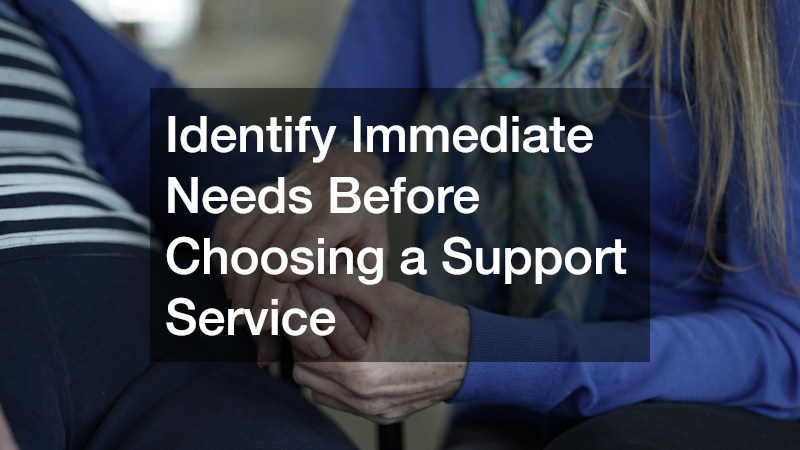
Before researching providers, clarify what the family member needs and what outcome they hope to achieve. Write down the main concern, practical limitations, and questions that need answers. Separating urgent needs from longer-term goals helps families compare services and avoid decisions based on pressure or incomplete information.
Someone pursuing a health-related goal may consider a weight loss service, but the right option depends on personal circumstances and professional guidance. Families can help research available programs without assuming one approach will suit everyone.
Use these steps to narrow your options:
-
Define the goal: Identify the specific concern the service should address.
-
Set a budget: Consider fees, transportation, scheduling, and ongoing expenses.
-
Check qualifications: Review provider credentials and available services.
-
Prepare questions: Ask about program structure, progress reviews, and follow-up support.
Compare providers using the same criteria rather than relying on promotional claims. For significant health changes, discuss suitable options with a qualified healthcare professional. Understanding the person’s needs makes it easier to choose appropriate support.
Recognize When Professional Guidance Is Necessary
Families often want to solve problems themselves, particularly when someone they care about is struggling. However, concerns involving substance use or persistent behavioral changes may require specialized assessment. Supporting someone does not mean taking responsibility for managing every aspect of their situation.
Addiction professionals can help individuals understand their circumstances, explore treatment options, and identify resources for ongoing recovery. Family members may also benefit from guidance about communication, boundaries, and practical ways to help without reinforcing harmful patterns.
When researching assistance, consider these questions:
-
What qualifications and relevant experience does the provider have?
-
Which treatment approaches and support options are available?
-
How are privacy and confidentiality handled?
-
Can family members participate when appropriate and with the person’s agreement?
-
What support is available after initial treatment?
Approach conversations without blame or assumptions. Describe specific concerns, listen to the person’s perspective, and encourage professional help without promising particular outcomes. If someone faces an immediate medical emergency or danger, seek emergency assistance rather than waiting for a routine appointment.
Compare Care Options for Older Family Members
Changes in mobility, memory, personal care, or daily routines may mean an older relative needs additional assistance. Begin by discussing the person’s preferences and identifying which tasks have become difficult. Whenever possible, involve them in decisions about their living arrangements and level of support.
Senior care services can range from help with everyday activities to more structured care arrangements. The appropriate option depends on the person’s needs, finances, preferences, and available family support. A healthcare professional can help clarify whether additional assessment is appropriate.
Before choosing a provider, compare:
-
Available assistance: Determine which daily activities the service covers.
-
Scheduling: Ask whether support is available when needed.
-
Costs: Review rates, payment arrangements, and additional fees.
-
Staff qualifications: Ask about training and continuity of care.
-
Communication: Find out how families receive updates.
Arrange a consultation when possible and prepare questions beforehand. Revisit the plan as circumstances change, since an arrangement that works today may eventually need adjustments. Regular reviews help families balance independence with appropriate assistance.
Address Risky Habits Through Respectful Conversations

Discussing a potentially harmful habit can be uncomfortable, especially when family members disagree about its seriousness. Starting with accusations may make someone less willing to talk. Instead, describe the behavior that concerns you, ask open-ended questions, and listen before deciding what support might help.
Conversations about vaping products, for example, can address nicotine exposure, health concerns, and age-appropriate prevention. Parents should use reliable health information and consult a qualified healthcare professional when seeking advice about stopping nicotine use.
A constructive conversation can include these steps:
-
Choose an appropriate time: Avoid starting the discussion during an argument.
-
Ask rather than assume: Find out what the person understands about the behavior.
-
Set clear boundaries: Explain household expectations and relevant safety rules.
-
Offer practical help: Discuss resources and possible next steps.
Parents should tailor conversations to a child’s age and understanding. With adults, respect personal autonomy even when family members disagree. The goal is to communicate concerns clearly and identify realistic next steps, not to force someone to respond exactly as the family wishes.
Choose Childcare That Fits a Child’s Needs
Finding suitable childcare can affect a family’s finances, work schedules, and daily routines. Identify practical requirements, including operating hours, location, cost, transportation, and the child’s individual needs. Consider how a potential setting handles communication, daily activities, and different learning styles.
A Montessori daycare may appeal to families seeking an environment that emphasizes hands-on learning, independence, and opportunities for children to explore activities at their own pace. However, a program’s label alone does not establish its quality or suitability. Visiting the facility and asking specific questions provides a clearer picture.
When evaluating childcare options, consider:
-
Staff qualifications: Ask about training, experience, and supervision.
-
Safety practices: Review emergency plans and classroom safety.
-
Daily routines: Find out how play, rest, meals, and learning are organized.
-
Individual support: Ask how caregivers respond to developmental differences.
-
Parent communication: Learn how staff share updates and address concerns.
Compare several settings when possible, and observe how caregivers interact with children. A suitable environment should meet family needs while providing appropriate supervision and a positive experience for the child.
Organize Rehabilitation and Recovery Support
A significant injury, illness, or neurological condition can change how someone moves, communicates, remembers information, or manages daily activities. Families may suddenly need to coordinate appointments, transportation, household responsibilities, and changes to familiar routines. Understanding the person’s care plan helps everyone contribute appropriately.
A neuro rehab center may provide specialized rehabilitation for people experiencing neurological challenges. Programs vary, so ask about available therapies and how clinicians establish and review individual goals. The person’s treating healthcare team can help determine which options are appropriate.
To coordinate support effectively:
-
Clarify goals: Ask which skills or daily activities the plan addresses.
-
Organize appointments: Maintain a shared calendar for visits and transportation.
-
Understand family responsibilities: Ask clinicians which activities relatives can safely support.
-
Track questions: Record concerns to discuss during appointments.
-
Review progress: Find out how goals and recommendations are reassessed.
Avoid comparing recovery with someone else’s experience or assuming progress will follow a fixed timeline. Families can provide practical and emotional support while allowing qualified professionals to guide treatment. Regular communication helps relatives adapt routines as needs change.
Make Practical Changes to Improve Everyday Comfort

Difficult circumstances can disrupt ordinary routines, including sleep and rest. A family member experiencing discomfort, a demanding caregiving schedule, or a change in living arrangements may benefit from simple adjustments. Begin by identifying the problem rather than purchasing products without a clear purpose.
For someone who feels too warm while sleeping, cooling bottom sheets may be worth considering. Product performance varies, so compare materials, care instructions, fit, and cost rather than assuming every product will provide the same results.
Other practical adjustments include:
-
Reviewing the sleeping environment: Consider room temperature, ventilation, and bedding layers.
-
Simplifying routines: Keep frequently used items accessible.
-
Comparing product features: Check fabric composition and washing requirements.
-
Setting spending limits: Try one targeted change before replacing multiple items.
Comfort products are not substitutes for medical assessment when someone experiences persistent or concerning symptoms. If sleep problems continue or accompany other health changes, consult an appropriate healthcare professional. Small environmental adjustments can complement broader support when they address a clearly identified need.
Check Product Suitability for Sensitive Skin
Families may need personal-care or medical supplies when someone is recovering from an injury, managing a health condition, or using a medical device. Choosing suitable products requires more than comparing prices. Intended use, product instructions, skin condition, and professional recommendations can all affect which option is appropriate.
Although skin safe adhesives are marketed for particular skin-contact applications, suitability depends on the specific product and the person using it. An adhesive intended for household purposes should not automatically be considered appropriate for medical use. Products used on wounds, fragile skin, or around medical devices may require guidance from a healthcare professional.
Before using a product:
-
Check its intended use: Follow the manufacturer’s directions and restrictions.
-
Review product information: Examine ingredients, warnings, and removal instructions.
-
Ask a professional: Seek guidance for wounds, medical devices, or fragile skin.
-
Watch for reactions: Stop using a product if a concerning reaction develops and seek medical advice.
-
Avoid substitutions: Do not use alternatives for medical purposes unless suitable for that application.
Keep instructions available when managing supplies for a family member. If several caregivers are involved, communicate which products are appropriate and how they should be used.
Find Legal Guidance When Criminal Charges Arise
Legal difficulties can affect a family’s finances, responsibilities, and emotional well-being. When a relative faces criminal charges, family members may want to intervene immediately. A useful first step is to organize relevant documents and help the person obtain legal advice without making assumptions about the case.
Criminal lawyers can explain legal procedures, assess case-specific circumstances, and advise clients about their rights and available options. Families should look for an attorney whose experience matches the charges and whose communication style suits the client’s needs.
When comparing attorneys, consider:
-
Relevant experience: Ask about handling similar cases.
-
Fee arrangements: Clarify billing methods and expected expenses.
-
Communication: Find out how questions and updates will be handled.
-
Availability: Discuss upcoming court dates and deadlines.
-
Document organization: Gather official notices and relevant correspondence.
Avoid discussing case details publicly or posting about them on social media. The person facing charges should communicate directly with their attorney about the facts and legal strategy. Family members can help with transportation and scheduling while respecting privacy.
Respond Promptly to Probation Concerns

Probation requirements can involve reporting appointments, behavioral conditions, and other obligations. When someone believes they may have missed a requirement or breached a condition, reviewing official documents and obtaining legal guidance can help clarify the situation.
Violations of probation attorneys can advise individuals about alleged violations, court procedures, and possible responses based on the circumstances. The appropriate approach depends on the conditions involved, available information, and applicable law. Families should not assume every alleged violation will have the same consequences.
Practical steps include:
-
Review official paperwork: Identify relevant conditions, notices, and deadlines.
-
Preserve records: Keep correspondence and appointment information.
-
Seek legal advice promptly: Ask an attorney how to address the concern.
-
Avoid speculation: Do not rely on informal advice about possible outcomes.
-
Provide practical assistance: Help organize documents or arrange transportation.
Do not ignore official notices or take actions that could complicate the situation. An attorney can explain appropriate next steps. Families can help by staying organized and supporting the person without trying to manage the legal matter themselves.
Finding appropriate support during difficult times begins with understanding what a family member needs and identifying resources that can address those needs. Whether the concern involves health, childcare, caregiving, daily comfort, or legal responsibilities, careful research and clear communication help families make informed decisions.
Compare providers based on qualifications, services, costs, and practical requirements. Ask specific questions, organize important documents, and involve the person receiving support in decisions whenever appropriate.
Families do not have to solve every problem at once. Start by identifying the most urgent concern, deciding what assistance is needed, and taking one practical step toward finding it. Reassess arrangements as circumstances change and communicate with the professionals involved. With a thoughtful approach, families can build a support system that respects individual preferences and helps them navigate challenging circumstances more effectively.