
Raising a child involves many moving parts, from meeting daily needs to supporting long-term development. Wellness is not limited to physical health. It includes emotional stability, social confidence, and access to resources that support balanced growth. Many families find that navigating these areas becomes easier with a clear understanding of available support systems and how to use them effectively.
This guide is designed to help parents take a thoughtful and organized approach to supporting their child’s overall well-being. By focusing on practical steps and reliable resources, parents can build a strong foundation that adapts as their child grows.
Build a Personalized Wellness Plan for Your Child

Every child has unique needs, which means there is no one-size-fits-all approach to wellness. A personalized plan helps parents stay organized and ensures that no developmental area is overlooked.
Start by observing your child’s daily behavior, communication style, and emotional responses. Small patterns often reveal where additional support may be helpful. For example, difficulty managing stress, withdrawal from social situations, or sudden mood changes may signal the need for extra attention.
When emotional or behavioral concerns persist, professional support can make a meaningful difference. Adolescents’ counseling can help older children process complex emotions, while working with a local child therapist may provide more tailored guidance for younger children or specific developmental needs.
When choosing a professional, consider the following:
- Verify credentials and licensing
- Ask about experience with children in similar age groups
- Learn about their approach to communication and goal setting
- Ensure your child feels comfortable during initial sessions
A wellness plan should include clear goals and regular check-ins. These do not need to be formal. Simple monthly reflections can help you track progress and adjust strategies as needed.
It is also helpful to include input from teachers, caregivers, and healthcare providers. Their observations can provide a more complete picture of your child’s development across different environments.
Create a Safe and Supportive Home Environment
The home plays a central role in a child’s well-being. A supportive environment encourages independence, comfort, and safety. For families with children who have additional needs, thoughtful adjustments can make daily routines smoother and more manageable.
Start with a basic safety review of your home. Look for areas where your child may struggle with movement, accessibility, or comfort. Small changes often have a significant impact.
When it comes to sleep, selecting the right bed for special needs child is important. The right option can improve sleep quality, reduce the risk of injury, and support overall health. Consider features such as adjustable height, supportive materials, and safety rails when needed.
Mobility is another key factor. In some cases, tools like a mobility scooter can help children move more freely within the home and in outdoor settings. This can increase confidence and reduce reliance on others for basic movement.
To create a more supportive space, consider the following steps:
- Arrange furniture to allow clear and open pathways
- Use storage solutions that are easy for your child to access
- Add soft lighting in areas used during evening routines
- Incorporate calming elements such as quiet corners or sensory-friendly spaces
Consistency in the home environment also helps children feel secure. Predictable routines for meals, schoolwork, and bedtime can reduce stress and improve behavior over time.
Parents should also regularly revisit their home setup. As children grow, their needs change. What works today may need adjustments in the future.
Find Reliable Medical Equipment and Support Providers

Access to the right equipment can make a significant difference in daily life. Parents often rely on outside providers to supply and maintain essential tools, so choosing the right partners is important.
A trusted local medical equipment supplier can guide families through available options and ensure that equipment meets safety standards. Building a relationship with a reliable provider can also make it easier to handle repairs, replacements, and upgrades.
When working with a supplier, keep these tips in mind:
- Ask for a detailed explanation of each product
- Request demonstrations whenever possible
- Compare pricing, warranties, and service plans
- Confirm delivery timelines and setup assistance
Some equipment, such as a mobility scooter, may require ongoing maintenance. Make sure you understand how to care for the equipment and who to contact if issues arise.
Parents should also coordinate with healthcare professionals before making major purchases. Recommendations from doctors or therapists can help ensure that the equipment aligns with your child’s specific needs.
Another important consideration is whether to rent or buy equipment. Renting may be a better option for short-term needs or rapidly changing conditions, while purchasing can be more cost-effective for long-term use.
Keeping organized records of purchases, warranties, and service contacts can save time and reduce stress when issues come up. A simple folder or digital file system works well for this purpose.
Choose Quality Childcare That Aligns With Your Values
Childcare plays a major role in shaping a child’s daily experiences. A supportive environment outside the home can reinforce positive habits, encourage learning, and provide opportunities for social interaction.
When evaluating a childcare center, look beyond basic supervision. Focus on the quality of care, staff engagement, and overall environment. A strong program should offer structured activities while allowing room for creativity and rest.
During visits, pay attention to:
- Cleanliness and safety measures
- Staff-to-child ratios
- Communication between staff and children
- Daily schedules and activity variety
It is also helpful to ask how the center handles challenges such as conflicts between children or changes in routine. Clear and consistent policies are a good sign of a well-managed program.
In addition to formal childcare settings, community-based options can support development in meaningful ways. Church youth activities often provide opportunities for children to build friendships, learn values, and participate in group experiences.
Parents may find that combining structured childcare with community involvement creates a balanced routine. This allows children to experience different environments and develop a wider range of social skills.
When making a decision, trust your instincts. If a setting feels welcoming, organized, and attentive to children’s needs, it is more likely to be a good fit for your family.
Support Physical Development Through Engaging Therapies

Physical development is an essential part of a child’s overall well-being. Movement, coordination, and strength all contribute to confidence and independence. For some children, structured therapies can provide targeted support while still feeling engaging and enjoyable.
One option many families explore is aquatic therapy sessions. Water-based activities can help improve balance, flexibility, and muscle strength in a low-impact environment. The natural resistance of water supports movement without placing excess strain on joints, which makes it especially helpful for children who need gentle support.
To make the most of therapy-based activities, consider the following:
- Choose programs led by trained professionals with experience working with children
- Observe a session before committing to ensure it feels like a good fit
- Ask how progress is measured and communicated
- Keep sessions consistent to build routine and familiarity
In some cases, mobility tools can work alongside therapy to support everyday movement. A mobility scooter, for example, may help a child conserve energy and participate more fully in activities outside of structured sessions.
Parents can also encourage physical development at home:
- Set aside time for daily movement such as stretching or light play
- Use simple games to improve coordination
- Celebrate small milestones to build confidence
The goal is to create a balance between structured therapy and natural play. When children enjoy the process, they are more likely to stay engaged and continue making progress over time.
Prioritize Preventive Healthcare and Regular Checkups
Preventive care is a key part of maintaining long-term health. Regular checkups allow professionals to monitor development, identify concerns early, and provide guidance tailored to your child’s needs.
Dental care is often one of the first routines children experience. Visits to kids dentists help establish healthy habits and prevent issues before they become more serious. These appointments also give children a chance to become comfortable in a healthcare setting.
To support positive dental experiences:
- Schedule visits at times when your child is well-rested
- Talk about what to expect in a calm and simple way
- Bring a comfort item if your child feels nervous
- Praise cooperation and effort after the visit
Emotional health is just as important as physical health. Working with a local child therapist can help children develop coping strategies, improve communication, and build resilience. Regular sessions provide a consistent space for children to express themselves and work through challenges.
Keeping track of appointments and recommendations can make a big difference. Consider creating a simple system that includes:
- A calendar for upcoming visits
- Notes from each appointment
- A list of questions for future discussions
By staying organized, parents can ensure that no aspect of care is overlooked. Over time, these routines become a natural part of supporting a child’s overall wellness.
Encourage Social Growth Through Community Involvement
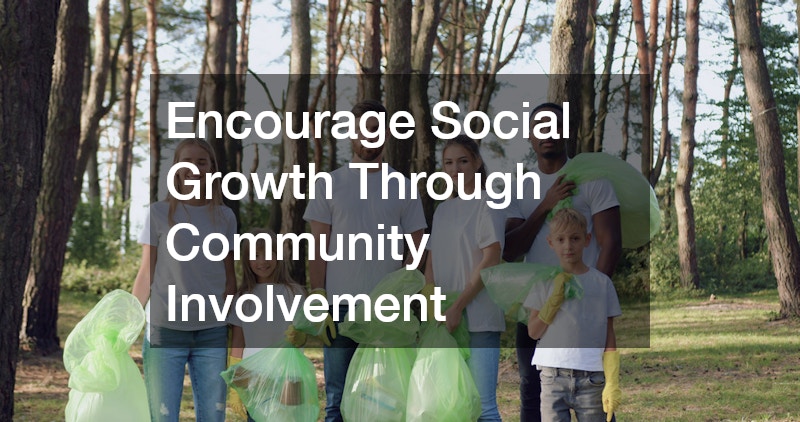
Children learn important life skills through social interaction. Friendships, group activities, and shared experiences all contribute to emotional development and confidence.
Community programs provide a valuable space for children to connect with others. Church youth activities often include group projects, events, and discussions that encourage teamwork and communication. These settings can help children feel a sense of belonging while learning how to interact respectfully with peers.
Another option to consider is visiting a children’s museum. These spaces combine learning and play, allowing children to explore new ideas in a hands-on environment. Interactive exhibits encourage curiosity and help children develop problem-solving skills.
To support social growth, parents can:
- Encourage participation in group activities that match their child’s interests
- Arrange playdates or small group gatherings
- Model positive communication and conflict resolution at home
- Talk with their child about social experiences and feelings
It is also helpful to balance structured and unstructured interactions. While organized programs provide guidance, free play allows children to practice creativity and independence in social settings.
Parents should pay attention to how their child responds to different environments. Some children thrive in large groups, while others prefer smaller, more familiar settings. Adjusting activities to a person’s comfort level can lead to more positive experiences.
Make Learning Fun With Enrichment Opportunities
Learning does not have to be limited to formal education. Enrichment activities can help children explore their interests, build new skills, and stay engaged in the learning process.
Many families begin with programs offered through a childcare center. These environments often include structured lessons, creative play, and opportunities for collaboration. A well-designed program can support both academic and social development.
Outside of structured settings, hands-on experiences can make a lasting impact. A visit to a childrens museum, for example, allows children to interact with exhibits that bring concepts to life. This type of learning encourages curiosity and helps children retain information more effectively.
Parents can support enrichment at home by:
- Providing access to books, art supplies, and educational games
- Setting aside time for creative activities
- Encouraging questions and exploration
- Connecting everyday experiences to learning opportunities
It is important to keep expectations realistic. Not every activity needs to lead to measurable progress. The goal is to create a positive relationship with learning that continues over time.
Parents should also consider their child’s interests when choosing activities. When children feel excited about what they are doing, they are more likely to stay engaged and naturally develop new skills.
Navigate Emotional Challenges With Confidence

Children experience a wide range of emotions as they grow. Learning how to recognize and respond to these feelings is an important part of development. Parents play a key role in helping children understand their emotions and build healthy coping strategies.
Start by paying attention to changes in behavior. These may include withdrawal, frustration, difficulty focusing, or changes in sleep patterns. Early awareness allows parents to respond before challenges become more difficult to manage.
Professional support can provide valuable guidance during these times. Adolescents counseling offers a structured environment where older children can talk through concerns and develop practical strategies for managing stress. These sessions often focus on communication, emotional awareness, and goal setting.
In addition to emotional support, physical outlets can help children process feelings in a healthy way. Participating in aquatic therapy sessions, for example, can provide a calming and structured activity that encourages both movement and relaxation. This combination can be especially helpful for children who struggle to express emotions verbally.
Parents can also support emotional well-being at home through simple, consistent practices:
- Encourage open conversations without judgment
- Teach children to identify and name their emotions
- Introduce calming techniques such as deep breathing or quiet time
- Maintain consistent routines to provide a sense of stability
It is important to remain patient as children learn these skills. Progress may happen gradually, and each child will respond differently to various approaches.
Parents should also take time to reflect on what strategies are working. Adjusting routines, communication styles, or support systems can lead to better outcomes over time.
Build a Strong Support Network for Your Family
No parent has to manage everything alone. Building a reliable support network can make daily responsibilities more manageable and provide valuable guidance when challenges arise.
Start by identifying professionals and organizations that play a role in your child’s care. A local medical equipment supplier can assist with selecting and maintaining tools that support daily living. Establishing a strong relationship with a provider can make it easier to access updates, repairs, and recommendations as your child’s needs change.
For families managing specialized care at home, equipment choices can have a lasting impact. Selecting the right bed for a special needs child can improve comfort, safety, and sleep quality. These decisions are easier when parents have access to knowledgeable providers and clear information.
In addition to professional support, personal connections are equally important. Friends, family members, and other parents can offer encouragement and practical advice. Sharing experiences with others who understand similar challenges can help reduce feelings of isolation.
To build and maintain a strong support network:
- Keep a list of trusted contacts for quick reference
- Join local or online parent groups
- Stay in regular communication with teachers and caregivers
- Attend community events to connect with other families
It is also helpful to set realistic expectations. No support system is perfect, and needs may change over time. Being open to adjusting your network ensures that it continues to meet your family’s needs.
Taking time to care for yourself is another important part of maintaining balance. When parents feel supported and rested, they are better able to care for their children.
Building a Path Toward Healthy Growth

Supporting a child’s well-being involves many different elements working together. From creating a safe home environment to finding reliable community resources, each step contributes to a more balanced and supportive experience for both children and parents.
A thoughtful approach allows families to respond to changing needs with confidence. By staying informed, building strong connections, and focusing on practical strategies, parents can create an environment where their children feel supported in every stage of growth.
Progress may look different for every family, and that is expected. Small, consistent efforts often lead to meaningful improvements over time. With the right resources and a clear plan, parents can help their children develop the skills and confidence they need to thrive.