
Your home is your sanctuary where you should feel secure, yet hidden hazards can compromise your well-being. From degraded air quality and biological growth to structural vulnerabilities, your house directly impacts your health.
Historically, home maintenance focused on aesthetics like paint colors and fixtures. Now, there’s a shift towards wellness-first property management, defining true luxury and comfort by clean air, pure water, structural resilience, and accident prevention.
Core Structural Integrity
The exterior shell of your home is your first line of defense against environmental threats. When the exterior is compromised, it sets off a domino effect that directly threatens indoor sanitation and physical safety. Protecting this boundary requires consistent vigilance and a proactive approach to seasonal wear and tear.
Water is the single greatest threat to a home’s structural health. When water breaches the outer shell, it weakens wood framing, ruins insulation, and creates the damp conditions necessary for toxic biological growth to take root. Managing this risk requires an aggressive overhead strategy.
- Conduct Systematic Roof Inspections: At least twice a year, examine your upper levels and attic space. Look for signs of daylight filtering through the roof boards or dark water stains on the rafters. From the ground, check for cracked, curling, or missing shingles.
- Maintain Gutter Infrastructure: Keep gutters completely free of leaves and debris. When gutters clog, water backs up under the shingles or spills over the sides, eroding the foundation and rotting the fascia boards. Install leaf guards if your property is surrounded by dense foliage.
- Act on Minor Failures: Never ignore a small stain on the ceiling. Delaying roof repairs can lead to structural rot, compromised electrical lines, and systemic interior dampness. Addressing a small leak immediately saves thousands of dollars in structural remediation later.
While threats from above usually come from water, threats from the surrounding environment often come from vegetation. Large trees add immense beauty and value to a property, but they can become severe liabilities if they are neglected or structurally unsound.
- Identify Disease and Decay: Look for signs of trunk rot, large cavities, peeling bark, or fungi growing near the base of your trees. Dead or dying branches pose an immediate threat during high winds, heavy rain, or winter ice storms.
- Evaluate Proximity to Structures: Branches that overhang your roofline can scrape against shingles, destroying the protective granule layer. They also provide an easy highway for rodents and pests looking to enter your attic. Furthermore, roots can disrupt underground plumbing and crack foundation walls.
- Enlist Certified Professionals: Pruning large growth or removing unstable trees is highly dangerous work that should never be attempted by an untrained homeowner. Partnering with professional tree services ensures that hazardous limbs are safely removed before they cause catastrophic damage to your roof or injure someone on the ground.
Perimeter Safety and Foundation Control

The ground surrounding your house dictates how water, pests, and physical forces interact with your living space. If the exterior grading is faulty, water will naturally pool against the foundation, leading to cracked concrete, bowing basement walls, and chronic lower-level dampness.
Managing soil erosion and shifting earth is a critical component of foundation protection, especially on properties with uneven terrain or steep slopes. When soil moves unpredictably, it can destabilize walkways, patios, and even the main foundation footings of the house.
- Establish a Negative Slope: The ground immediately surrounding your foundation should slope away from the house at an incline of at least 6 inches over the first 10 feet. This simple grading technique forces rainwater to drain away from your living space rather than pooling against the concrete.
- Manage Heavy Slopes: If your property features sharp drops or tiered hillsides, standard dirt grading is not enough. Heavy rainfall will wash away the topsoil, carving dangerous channels and pushing mud toward your home.
- Install Structural Earth Retention: For properties with severe elevation changes, installing professionally engineered retaining walls is the best way to secure shifting earth. These structures hold back tons of soil, stabilize hillsides, and can be designed with built-in drainage channels to safely redirect massive amounts of stormwater away from your foundation.
Beyond the movement of soil and water, the way you manage your yard’s vegetation and open spaces directly influences the biological safety of your home. Overgrown yards act as breeding grounds for vectors of disease, while poorly maintained paths present immediate physical dangers.
- Eliminate Standing Water: Mosquitoes can breed in as little as a bottle cap of stagnant water. Regularly empty birdbaths, check kiddy pools, and ensure low spots in the lawn are aerated so water drains quickly.
- Optimize Outdoor Walkways: Ensure paths are constructed from non-slip materials, such as textured concrete or pavers. Install high-quality outdoor lighting along paths and steps to prevent trips, slips, and falls during evening hours.
- Consult Property Layout Experts: If you are dealing with chronic drainage issues, dense overgrowth, or confusing pathways, working with professional landscaping companies can transform your property. These experts can regrade low-lying zones, install french drains, select pest-repellent vegetation, and design safe, easily navigable outdoor living areas for children and pets.
Breathable Air and Climate Control
We spend the vast majority of our lives indoors, yet indoor air can be two to five times more polluted than outdoor air. Poor indoor air quality triggers allergies, worsens asthma, and can cause chronic respiratory fatigue. Managing this invisible hazard requires a dual approach: optimizing your mechanical ventilation and eliminating internal sources of contamination.
Your heating and cooling systems do much more than regulate temperature; they are the lungs of your home, circulating the air your family breathes dozens of times each day. If these systems are dirty or malfunctioning, they distribute dust, allergens, and microbial particles to every room.
- Monitor Humidity Levels: Dust mites and mold thrive in high humidity, while excessively dry air irritates nasal passages and leaves you vulnerable to viruses. Keep your indoor relative humidity strictly between 30% and 50% using a combination of dehumidifiers and humidifiers.
- Prevent Carbon Monoxide Poisoning: Ensure you have functioning carbon monoxide detectors installed on every floor, especially near sleeping areas. Schedule annual professional cleanings for your furnace and water heater to guarantee they are venting combustion gases outside safely.
- Partner with Certified Technical Experts: Regular DIY care is excellent, but mechanical systems require precise calibration. Relying on trusted HVAC contractors for annual pre-season tune-ups ensures that your system operates cleanly, seals are intact, and your indoor air is thoroughly filtered and conditioned.
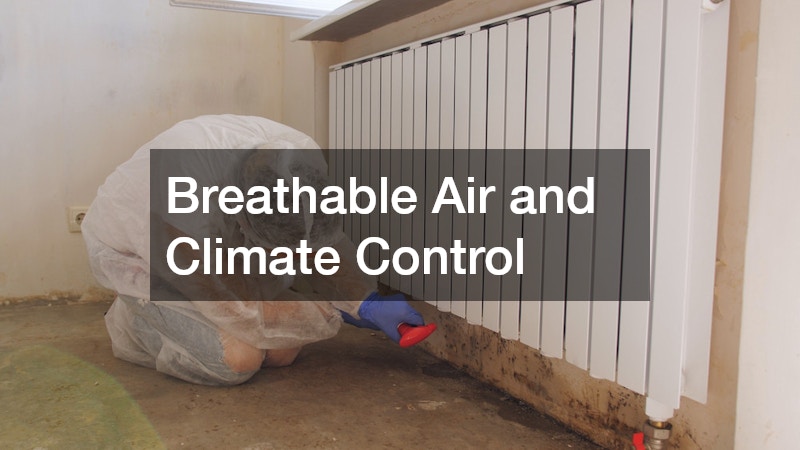
When moisture management fails, the consequences manifest quickly in the form of fungal growth. Mold spores exist everywhere in nature, but they require moisture, a food source, and stagnant air to colonize a home. Once a colony is established, it releases millions of microscopic spores into the air, creating a major health hazard.
- Inspect High-Risk Zones: Routinely check under sinks, behind toilets, around window sills, and inside crawlspaces. Look for fuzzy growths, black or green speckles, or water stains. Pay close attention to persistent musty odors, which often indicate mold growing inside wall cavities.
- Control Spills and Leaks: If a pipe bursts or a roof leak occurs, dry the area completely within 24 to 48 hours. Mold cannot grow without sustained moisture, so rapid drying is your best preventative defense.
- Know When to Call Professionals: Cleaning a small patch of surface mold on bathroom tile can be handled with household cleaners. However, if an outbreak covers more than 10 square feet, or if it has deeply penetrated porous drywall and wood, attempting to scrub it yourself can spread the spores throughout the entire house. In these scenarios, hiring specialized mold cleanup services is essential to safely contain the area, run negative pressure air scrubbers, and completely eradicate the root of the infestation.
High-Sanitation Spaces
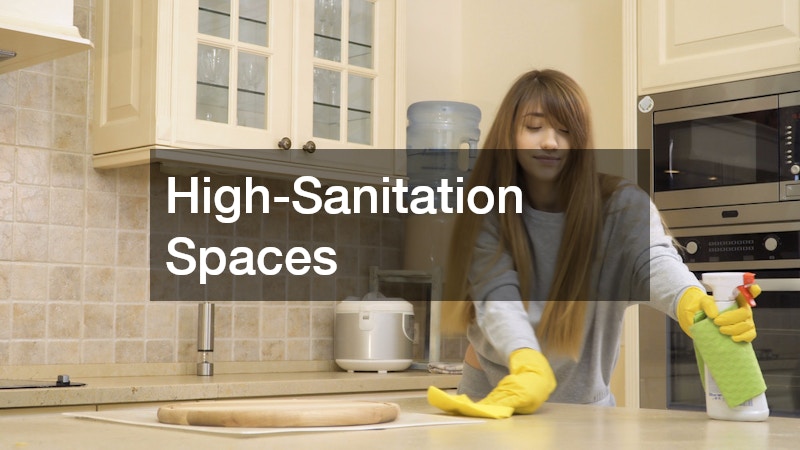
Kitchens and bathrooms are the workhorses of the home, but they are also the most dangerous zones for bacterial contamination and physical accidents. The combination of heat, moisture, organic waste, and frequent human contact makes these rooms ground zero for household hygiene efforts.
The kitchen is where food preparation occurs, making it a primary vector for foodborne illnesses like Salmonella and E. coli. Porous materials, tight corners, and outdated designs can trap grease and food particles, feeding bacterial colonies that are incredibly difficult to sanitize.
- Upgrade to Non-Porous Surfaces: Seamless materials like quartz, solid surface, or stainless steel are far more hygienic than tile with deep grout lines or scratched laminate. Non-porous surfaces do not absorb liquids or trap microscopic pathogens.
- Incorporate Touchless Technology: Installing a motion-activated faucet drastically cuts down on cross-contamination. You can wash your hands after handling raw poultry without transferring bacteria to the faucet handle.
- Execute Strategic Material Upgrades: If your current kitchen layout features cramped paths, degraded countertops, and poor ventilation, it can actively hinder your ability to cook safely and maintain cleanliness. Planning a comprehensive kitchen remodeling project with health in mind allows you to install easy-to-clean backsplashes, under-cabinet lighting for safer knife work, and hygienic storage solutions.
The bathroom is the most humid room in the house, creating constant sanitation challenges. Furthermore, the combination of hard, wet surfaces makes it the most common site for serious slip-and-fall injuries across all age groups.
- Specify Non-Slip Flooring: Choose floor tiles with a high Dynamic Coefficient of Friction (DCOF) rating. Matte, textured tiles or smaller mosaic tiles with plenty of grout lines provide significantly better traction for wet, bare feet than large, high-gloss tiles.
- Enforce Mechanical Exhaust Ventilation: A bathroom fan must be powerful enough to clear out steam quickly. Ensure it is wired to run for at least 20 minutes after a shower to pull moisture out of the room before it condenses on walls and feeds mildew.
- Invest in Functional Redesign: A degraded bathroom with cracked grout, leaking shower pans, and poor layout is a constant safety risk and a magnet for grime. Investing in a thoughtfully executed bathroom remodeling upgrade allows you to implement curbless walk-in showers, antimicrobial solid wall panels, and integrated storage that keeps clutter off the floor and eliminates hidden moisture traps.
Underfoot Safety and Invisible Utilities

The materials under your feet and the utilities hidden behind your walls represent the quiet foundation of your family’s daily health and safety. Floors collect the bulk of the dust, heavy metals, and outdoor pollution tracked into the home, while electrical systems present catastrophic risks if they are neglected.
Carpeting behaves like a massive textile filter, trapping dust mites, pet dander, pollen, chemical residues, and microplastics deep within its fibers. Vacuuming removes surface dirt, but walking across an older carpet consistently kicks fine dust particles back into the breathing zone.
- Implement a Strict Shoe Policy: Establish a no-shoes rule inside the house. This single habit eliminates up to 80% of the pesticides, coal tar, and fecal bacteria normally tracked onto indoor floors from the outside world.
- Transition to Solid Surfaces: Smooth, hard flooring materials do not provide hiding places for allergens and pests. They can be thoroughly cleaned using microfiber damp mops, which capture and lock away fine dust rather than blowing it into the air.
- Choose Durable, Natural Materials: If you want a floor that actively promotes indoor air health and stands up to decades of sanitizing routines, high-quality hardwood flooring is an exceptional choice. It is naturally hypoallergenic, does not off-gas toxic volatile organic compounds (VOCs) like some synthetic carpets, and can be sanded down and refinished rather than replaced when it shows wear.
While your floors are easily visible, your home’s electrical grid is completely hidden. Outdated components, overloaded circuits, and poor wiring configurations are among the leading causes of residential fires and accidental electrocution.
- Install Protective Devices: Every outlet near a water source—including kitchens, bathrooms, wet bars, and exteriors—must be equipped with a Ground Fault Circuit Interrupter (GFCI). Test these monthly by pressing the “test” and “reset” buttons to ensure they cut power instantly in a short circuit.
- Modernize Older Circuit Panels: If your home still uses a fuse box, or if your breaker panel is several decades old, it may not be equipped to handle the electrical load of modern computers, smart appliances, and charging devices safely.
- Bring in Specialized Experts: Electrical diagnostics and system upgrades are strictly professional tasks. Bringing in licensed electricians to evaluate your panel, install Arc Fault Circuit Interrupters (AFCIs) that detect dangerous sparking, and replace aging or brittle wiring is the single most effective way to eliminate electrical fire hazards from your home.
Creating a home that supports your family’s health and safety is an ongoing process. It involves a proactive strategy of preventive preservation instead of fixing things after they break. Choices like managing your yard’s grading or selecting non-porous countertop materials directly contribute to a cleaner, safer environment. Do not feel overwhelmed by home maintenance. Success lies in steady progress. Take some time this weekend to evaluate one specific area of your property, such as inspecting your attic for water marks, scheduling a utility tune-up, or testing bathroom safety outlets. These small actions accumulate over time, offering long-term well-being and peace of mind.